

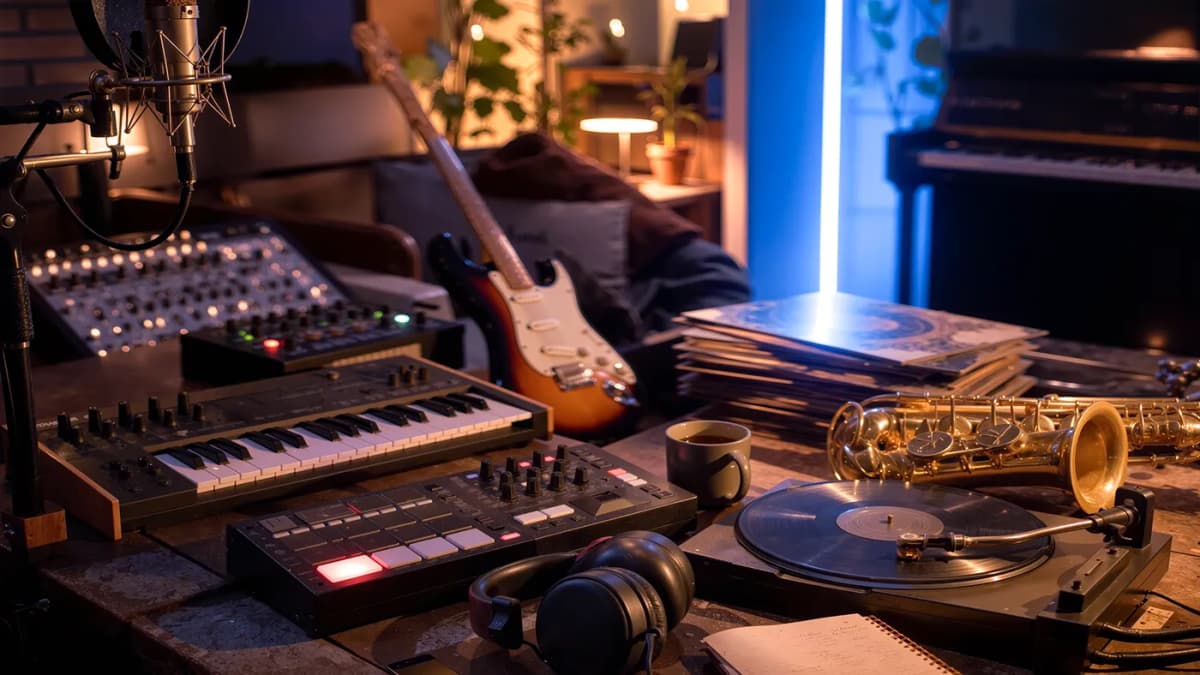
For many years, music has been categorized under clearly defined genres such as rock, pop, jazz, electronic, hip-hop, and classical. Today, however, it is not always easy to describe a song using a single category. Electronic production techniques can be combined with acoustic instruments, hip-hop rhythms can appear in pop arrangements, and jazz harmonies can be incorporated into electronic music. These interactions are making the boundaries between genres increasingly fluid in contemporary music production.
One of the main reasons for this change is that musicians can now access different musical traditions much more easily. Through digital platforms, a producer can encounter hundreds of recordings from different periods, countries, and genres within a single day. This broad listening environment contributes to a wider range of musical references. The music an artist heard during childhood, contemporary electronic sounds, and rhythmic structures from another culture can all come together within the same creative process.
Developments in production technology have also made cross-genre transitions easier. Digital audio workstations, virtual instruments, sample libraries, and audio-processing tools make it possible to use sounds with very different characteristics within the same project. An acoustic drum recording can be supported by electronic rhythms, while string instruments can be transformed into completely different textures through extensive digital effects. As a result, the relationship between the original source of an instrument and the musical world to which a track belongs can be reshaped.
Cross-genre interaction is not limited to instrumentation. Song structures are also being influenced by this transformation. A pop song built around a traditional verse-and-chorus structure can include long build-ups or rhythmic breakdowns borrowed from electronic music. Hip-hop vocal techniques can be used over different types of arrangements, while improvisational approaches associated with jazz can appear in alternative pop or experimental electronic music.
Listening habits are another important part of this transformation. Playlists, personalized recommendation systems, and music discovered through social media make it easier for listeners to encounter different sounds without remaining within a single genre. This diversity also creates an environment in which artists can produce music using a wider range of references.
The increasing overlap between genres does not mean that musical identities are disappearing entirely. Traditions such as rock, jazz, electronic music, and hip-hop continue to maintain their distinctive characteristics. However, contemporary productions can bring these characteristics together in different proportions to create new forms of expression.
The search for new sounds in music often emerges precisely at these points of intersection. A familiar rhythm combined with an unexpected harmony, an acoustic instrument paired with a digital texture, or different musical traditions brought together through a shared production approach can create an experience that feels both familiar and new to the listener.