

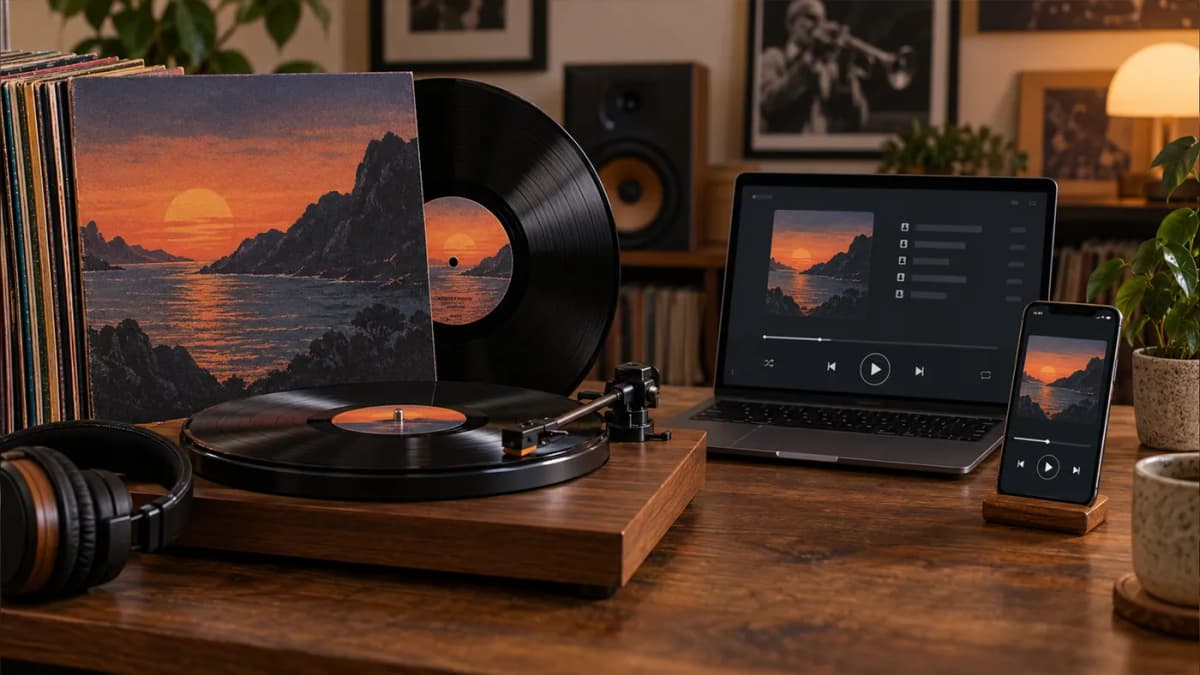
LP is short for the English term “Long Play” and refers to a long-playing vinyl record. An album, on the other hand, describes the complete body of a music project. For this reason, an LP and an album are not the same concept. An album may be released on vinyl, digital platforms, CD, or other physical formats.
Understanding this distinction is particularly important for those who are new to record collecting. Different vinyl, digital, and CD editions of the same album may vary in both content and presentation. Track order may change, some editions may contain additional material, and cover design or liner notes may differ. When purchasing an album, it is therefore useful to check not only the title but also the specific edition you are choosing.
In the LP format, the album content is divided between the two sides of the record. This structure is one of the main features that distinguishes the vinyl listening experience from digital platforms. Digital tracks can continue without interruption, while a record requires the listener to turn it over when one side ends. Even this small physical action can change the way an album is experienced and make the time devoted to listening more deliberate.
The terms single, EP, and album relate to the scope of a music release. A single generally focuses on one track or a limited number of works, while an EP offers a shorter format positioned between a single and a full album. An album brings together a broader repertoire. LP, by contrast, specifically refers to a physical vinyl format. Distinguishing between the type of release and its physical format helps make music terminology clearer.
There can also be sonic differences between vinyl and digital versions. The same album may be prepared with different mastering decisions for vinyl and digital distribution. Vinyl production requires consideration of technical details such as the duration available on each side, playback level, and frequency balance. Digital releases operate under different distribution standards and listening conditions.
For this reason, it would not be accurate to say that an LP will always sound better or more natural than a digital version. The listening result is influenced by the turntable, stylus, speakers, physical condition of the record, and mastering approach. For listeners who want to compare two versions, the most useful method is to listen to the same work at similar volume levels and compare the vocals, instrumental balance, and overall sonic character.
The physical presentation is another element that makes the LP experience distinctive. Examining the album cover, reading musician credits and recording notes, and listening to the record from beginning to end can encourage a more focused relationship with the music. Digital listening offers a different advantage through speed and ease of access. Personal listening habits ultimately determine which experience feels more suitable.
When choosing your first LP, starting with music you already enjoy is a good approach. You can then check the track list, playback speed, number of records, and physical condition of the pressing. The term “2LP” in a product description means that the release contains two separate records. This information alone does not indicate sound quality.
When exploring Pera Records releases, looking beyond the format to the repertoire, the artist’s interpretation, and the album’s production approach can help you make a more meaningful choice. The real value of the LP format emerges from how you want to experience music. For some listeners, holding a physical album and listening from beginning to end is important; for others, quickly accessing the same work digitally may be more practical.