

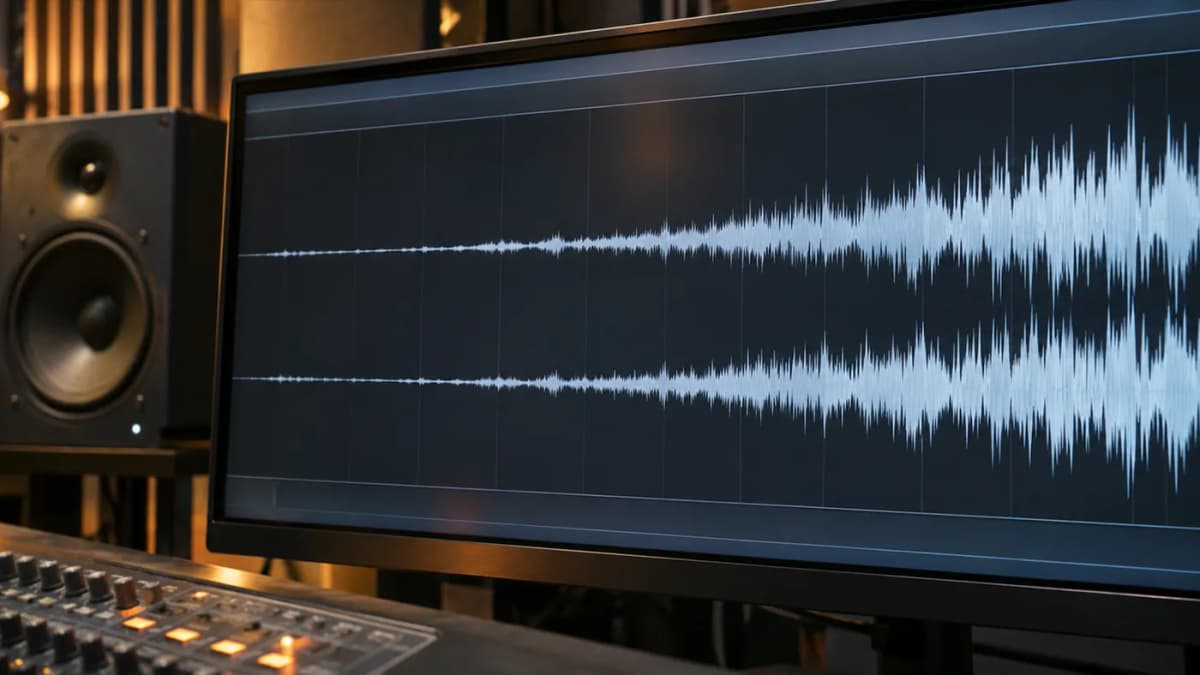
One way to create an impactful moment in music is to use different levels of intensity effectively rather than keeping the sound constantly loud. A powerful chorus following a calm section, or a vocal that rises from an almost whispered level, can increase the emotional impact of a track. At the center of these changes is dynamic range.
Dynamic range refers to the difference between the quietest and loudest levels within a recording. In a track with a wide dynamic range, the contrast between calm and powerful sections can be felt more clearly. In recordings with a narrower range, the overall volume may remain within a more consistent and closely controlled area.
This difference plays an important role in the expressive power of music. If every moment of a track progresses with the same level of intensity, the listening experience can begin to feel flat over time. Sections where the volume is deliberately reduced can make the moments that follow feel more powerful. Silence and lower levels of intensity can therefore create space for stronger musical moments.
Various technical tools are used to control dynamics during recording and mixing. One of the most common is the compressor. Compression helps manage sounds that exceed a certain level and contributes to balancing the overall recording. Different compression settings applied to vocals, bass, drums, or other instruments can create a more controlled result while preserving the natural movement of the performance.
Heavy compression, however, can reduce the dynamic movement of a track. As the difference between quiet and powerful sections becomes smaller, the recording can take on a more constant and intense character. For this reason, finding the right relationship between technical control and musical expression is important during production.
The listening environment can also influence dynamic choices. A track heard through headphones may behave differently when played in a car, on a phone, or in a noisy environment. During mastering, these different listening conditions may be considered so that the recording can preserve its details while remaining balanced across various systems.
Approaches to dynamics have changed across different periods and genres in music history. From classical music and jazz to rock and electronic music, each genre has developed its own dynamic aesthetic. Some productions emphasize wide contrasts, while others favor continuous energy.
Dynamic range is one of the less visible structures that directly influences how a listener experiences a track. When moments of retreat, breathing space, and renewed intensity are used effectively, a recording can become more vivid, expressive, and layered.